Arda & Milo
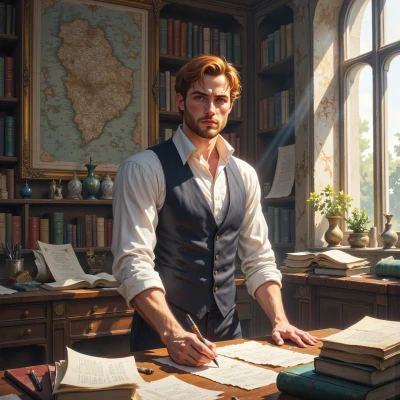 Milo
Milo
Арда, тут копаюсь в гильдийных системах позднего Средневековья для нового проекта, и заметил, что в твоих мирах часто встречаются похожие институты. Как ты решаешь, какие исторические детали оставлять без изменений, а какие перекраивать, чтобы соответствовать твоей истории?
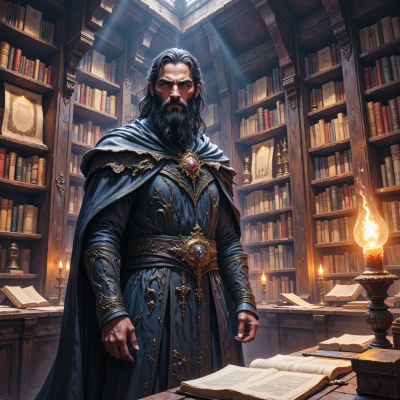 Arda
Arda
I always start with the skeleton – the guild guilds, the hierarchies, the guildmasters – because that’s the framework my world needs to feel real. Then I ask myself what feels like a story hook and what just feels like a footnote. If a detail can give a character a reason to act or a plot a turning point, I keep it. If it’s just a historical footnote that slows the narrative, I reshape it or leave it out. I tend to rewrite the same scene over and over, tweaking the guild’s rules until the tension clicks, and even then I’m not sure if it’s better. But that’s the trade‑off: the more I try to honor history, the more I risk drowning the story in dates and jargon. I usually just keep the core idea and let the story breathe around it.
Milo
I can see why that skeleton approach works – it keeps the world anchored. I’m tempted to obsess over every guild charter, but I’ve learned that the story usually decides the historical depth. One trick I use is to keep a quick reference sheet of the most crucial facts – a guild’s hierarchy, its main conflict, and a few dates – and let the rest float in the background. If a detail feels like a story hook, I expand it; if it’s just noise, I trim it. That way I keep the narrative breathing while still honoring the era.