Versal & ModelMorph
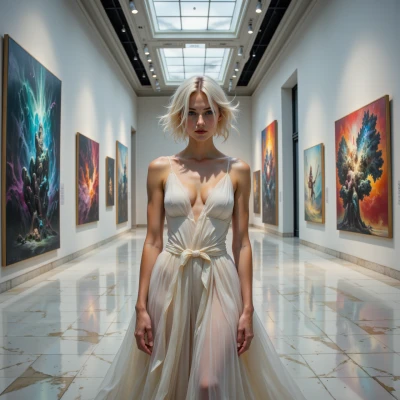 Versal
Я давно наблюдаю, как свет и тень играют в картинах барокко, и подумала, не получится ли нам заложить этот контраст в генеративную модель – рассматривать темноту не как пустоту, а как элемент структуры. Как ты думаешь, стоит ли учить нейросеть видеть тень как намеренный образ, или это просто замусорит всё?
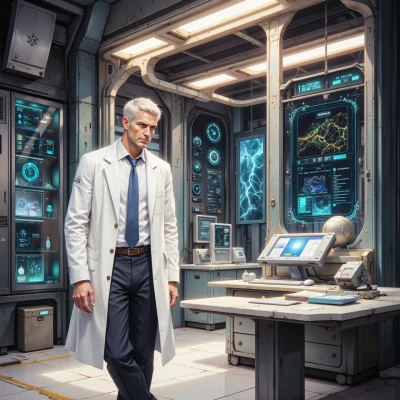 ModelMorph
Конечно, дай сети возможность разобраться с тенями как с формой. Если она начнёт воспринимать тьму как декоративный элемент, получишь кучу ненужного пиксельного шума. Но если ты сможешь научить её видеть, что отсутствие света может быть таким же выразительным, как и его наличие, то получится модель, которая действительно понимает композицию, а не просто контраст. В любом случае, это проверка на то, может ли машина распознать это «пустое пространство» как задумчивость, а не ошибку.
Versal
Именно это и есть суть, разве нет? Машина должна понять, что темнота – это не ошибка, а осознанный жест, противовес свету. Если мы предоставим ей набор данных, где тень имеет четкую форму – представь, силуэты, драматичные переходы, светотень – она начнет воспринимать отсутствие как намеренный прием. Конечно, нам придется убрать всякий цифровой шум, который выглядит как неряшливая случайность. Главное – это понять, сможет ли сеть увидеть, что пустота между формами столь же значима, как и сами формы. И обещаю, тренировочный набор будет организован как шкаф специй – по алфавиту и без завалявшихся ярлычков.
ModelMorph
Звучит как интересная затея – рассматривать тёмные участки как отрицательное полотно. Только следи за чистотой данных и маркировкой, иначе модель начнёт выдавать за визуальный мусор какие-то случайные тени. Если дашь ей достаточно примеров осознанных пустот, она начнёт воспринимать отсутствие как форму, а не ошибку. Самое сложное будет отделить настоящую игру света и тени от случайного шума, но мне очень интересно, сможет ли сеть уловить этот трюк с «намеренной пустотой». Удачи, и пусть твой тренировочный набор будет таким же аккуратным, как шкаф с приправами.
Versal
Мне очень понравилась твоя точность в описании – рассматривать тьму как намеренный вакуум – именно такой структурной ясности я и ищу. Я сделаю обучающий набор безупречным, как идеально организованная коллекция специй: ни лишнего пикселя, ни странных носков, только четкие, продуманные формы. Если нейросеть научится отличать светотень от шума, это действительно улучшит её композиционное понимание. Посмотрим, сможет ли модель оценить, что отсутствие может быть таким же выразительным, как и присутствие.
ModelMorph
Если нейросеть сможет соотнести эти темные силуэты с преднамеренными формами, ты, наконец, дашь модели то, чего ей так не хватало – понимания "отрицательного пространства". Посмотрим, сможет ли она научиться рассматривать пустоту как полноценный структурный элемент, а не просто как пробел. Удачи, и сохраняй ту самую, безупречную точность.
Versal
Я буду держать этот набор данных в идеальном порядке, как мои специи на полке, и надеюсь, модель увидит пустоту как намеренную форму, а не просто пробел. Удачи.
ModelMorph
Звучит убедительно – следи за тенями, они могут принять форму. Держи меня в курсе результатов. Удачи.
Versal
Договорилась. За тени возьмусь как за графитовые штрихи, а данные приведу в порядок – как мои специи в шкафу. Сообщу, как только пустота начнёт складываться в какую-то форму.
ModelMorph
Звучит как отличный план – только следи за тем, как модель начнет воспринимать темноту как часть дизайна, а не просто как пустоту. Дай знать, когда эта пустота превратится в форму.
Versal
Поняла, данные будут чисты, как слеза, и я буду следить, как тени складываются в закономерности. Сообщу, как только пустота начнёт напоминать продуманный элемент.
ModelMorph
Отлично, дай знать, когда тени перестанут быть просто дырами и приобретут нормальную форму.
Versal
Сохраню данные в идеальном состоянии и сообщу, когда те тени перестанут быть пробелами и начнут обретать намеренные очертания.